visitbelokpelaga
Gastronomy

Flavors from the Highland Kitchen

8 traditional dishes and snacks from Pelaga and Belok/Sidan: from base genep-spiced chicken and fish at local warungs, to sweet market snacks still sold every morning.

Main Dishes

Signature Main Dishes of Petang

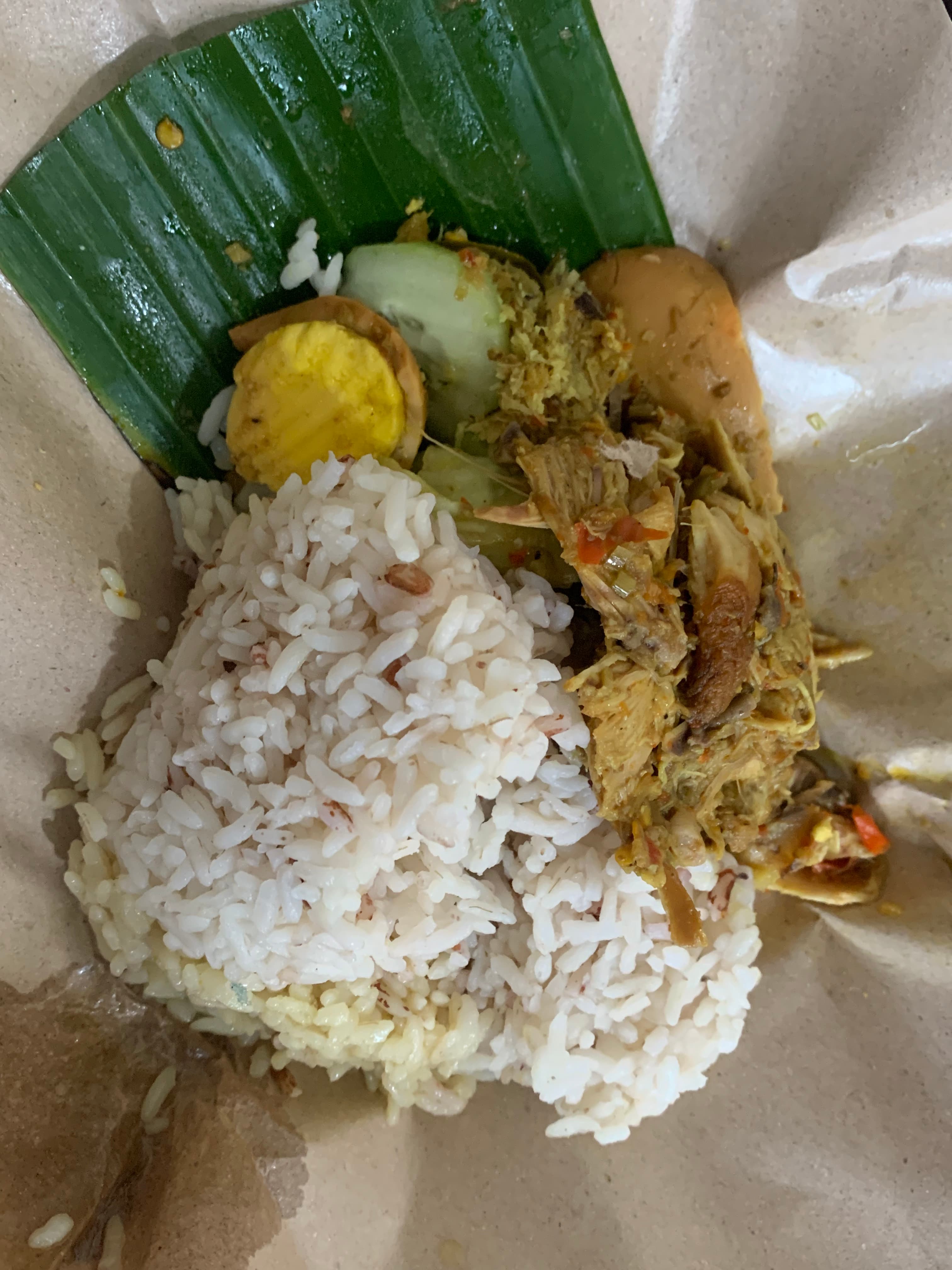
Nasi bungkus daun pisang dengan suwiran Ayam Betutu berbumbu kuning, telur pindang, dan acar timun
Main Dishes

Ayam Betutu

The Balinese Culinary Icon You Need to Know

Ayam Betutu is one of Bali's signature dishes, known for its bold, spice-driven flavor. It's made with a whole chicken rubbed in base genep, a Balinese spice blend of turmeric, ginger, galangal, shallots, garlic, chili, and candlenut. Once seasoned, the chicken is wrapped in banana leaf and slow-cooked for hours until the meat is tender and the spices have fully soaked in.

It was originally served at traditional and religious ceremonies as a special dish. As Bali's tourism grew, it became more widely known and turned into a must-try dish for visitors. The hours-long cooking process gives it a distinctive spice aroma and exceptionally tender meat.

In the Belok/Sidan and Pelaga area, Ayam Betutu is often served as a main dish at eateries specializing in Balinese cooking. The cool mountain air makes this warm dish even more satisfying, enjoyed with steamed rice, sambal matah, urap vegetables, and Balinese-style broth.

A visit to the Tukad Bangkung Bridge area isn't complete without trying Ayam Betutu made with a traditional recipe. Beyond enjoying the natural scenery, visitors can also taste the rich spices and culinary heritage passed down through generations of Balinese cooking.
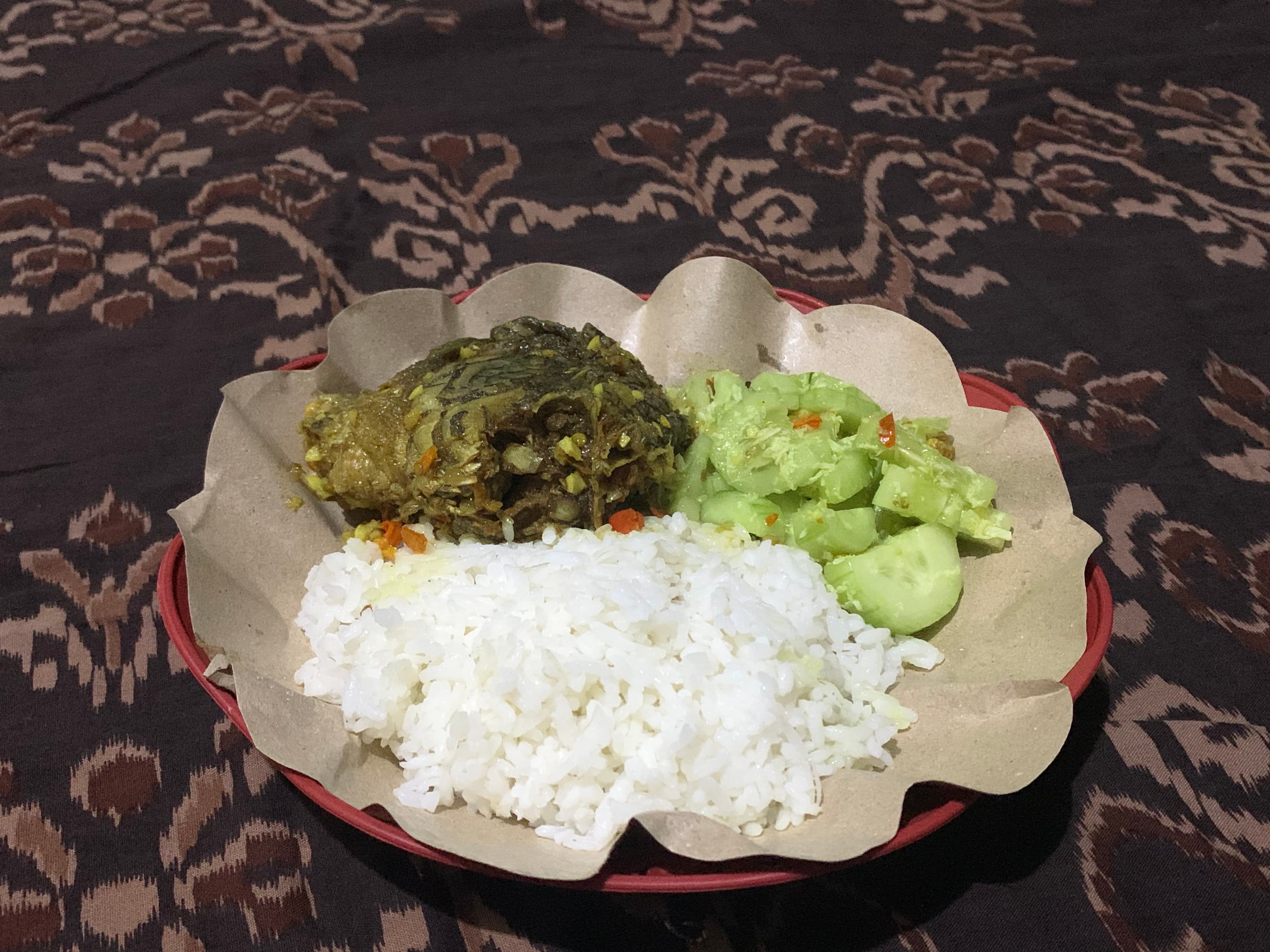
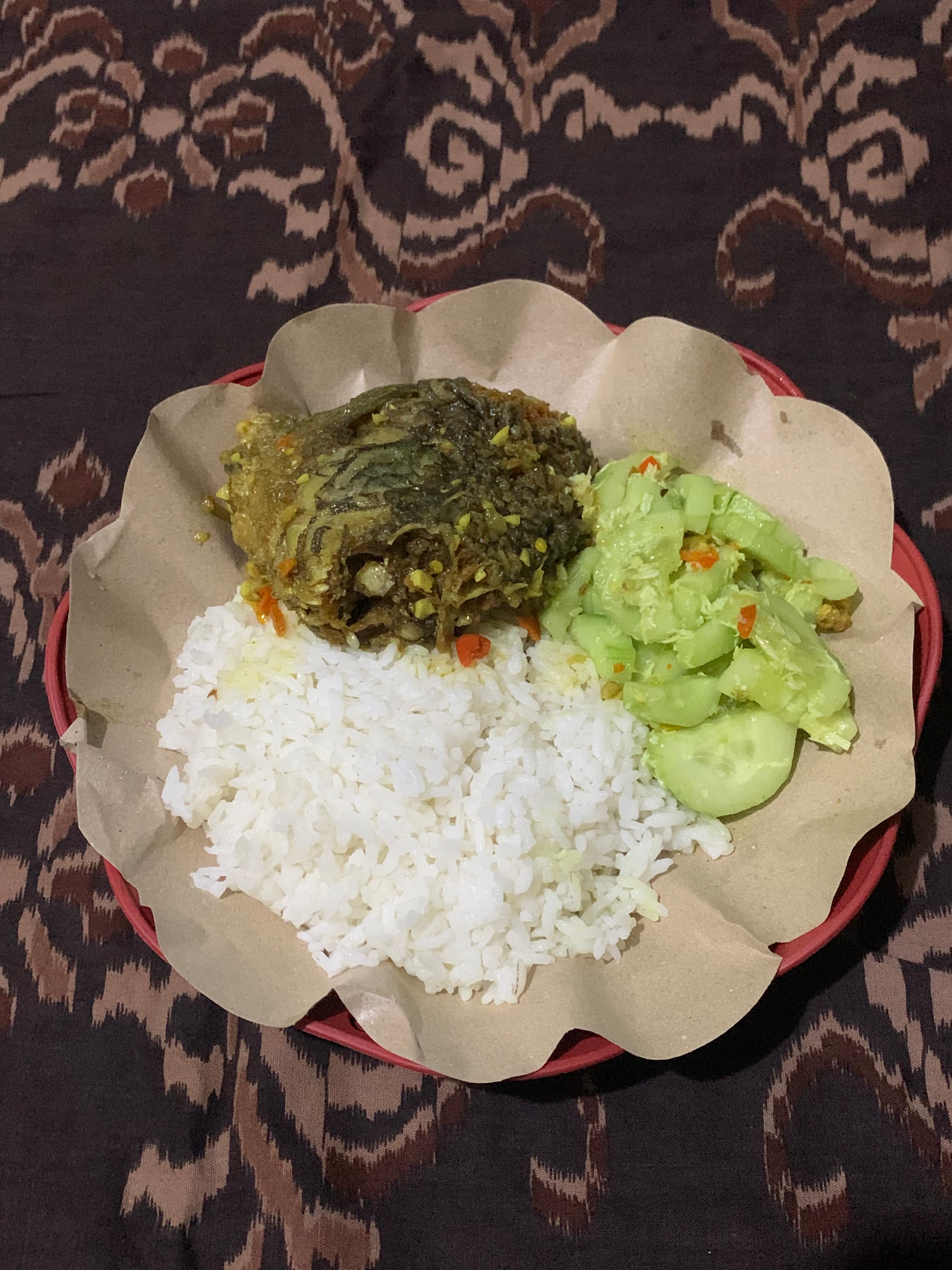
Nasi dengan olahan ikan Mujair Nyat-Nyat berbumbu genep kehijauan dan acar timun pedasDetail olahan ikan Mujair Nyat-Nyat dengan bumbu genep yang meresap ke daging
Main Dishes

Mujair Nyat-Nyat

Tilapia Meets Warm Balinese Spice

Amid the cool mountain air of Desa Belok/Sidan and Desa Pelaga in Kecamatan Petang is a dish every visitor should try: Mujair Nyat-Nyat. It can be found at many local eateries, one of them Warung Makan Summer Alam in Desa Belok/Sidan, a homestyle Balinese restaurant with genuinely stunning views.

Mujair Nyat-Nyat is tilapia cooked with base genep, a Balinese spice base made of shallots, garlic, chili, turmeric, ginger, galangal, aromatic ginger (kencur), lemongrass, kaffir lime leaf, and shrimp paste. Unlike most fish dishes served in broth, the nyat-nyat method uses very little water, so the liquid reduces during cooking, leaving a thick sauce with spices fully absorbed into the fish. The name nyat-nyat itself refers to this technique of cooking until the sauce is nearly gone and the seasoning clings to the main ingredient.

When served, the bold spice aroma is immediately appetizing. The tilapia is tender and free of any fishy taste, thanks to the rich seasoning. The mix of savory, spicy, slightly sweet, and fresh flavors from the spices makes this dish wonderful with warm rice. It's no surprise that Mujair Nyat-Nyat is considered a Balinese culinary icon that showcases the richness of Indonesian spices.

At Warung Makan Summer Alam, this dish is one of the most popular choices among visitors. Beyond its authentic flavor, the restaurant's mountain setting in Belok/Sidan makes the meal even more memorable. The cool air and scenery around Petang turn a plate of Mujair Nyat-Nyat into a culinary experience that's hard to forget.

For visitors to the Belok/Sidan and Pelaga area, trying Mujair Nyat-Nyat at Warung Makan Summer Alam is a simple way to discover local culinary richness. The dish offers more than great flavor — it reflects how Balinese communities make use of freshwater fish and season it with traditional spices passed down through generations.

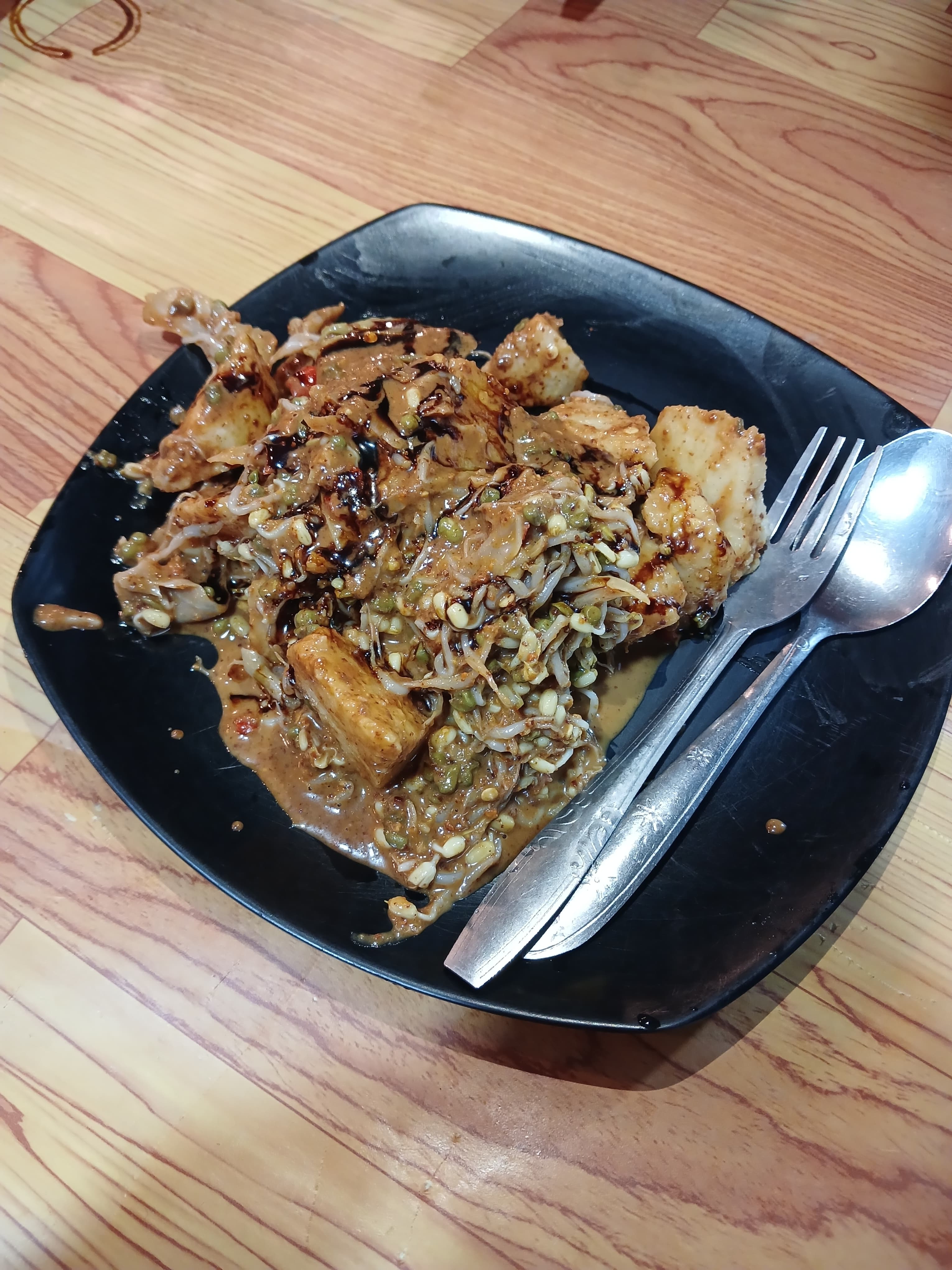
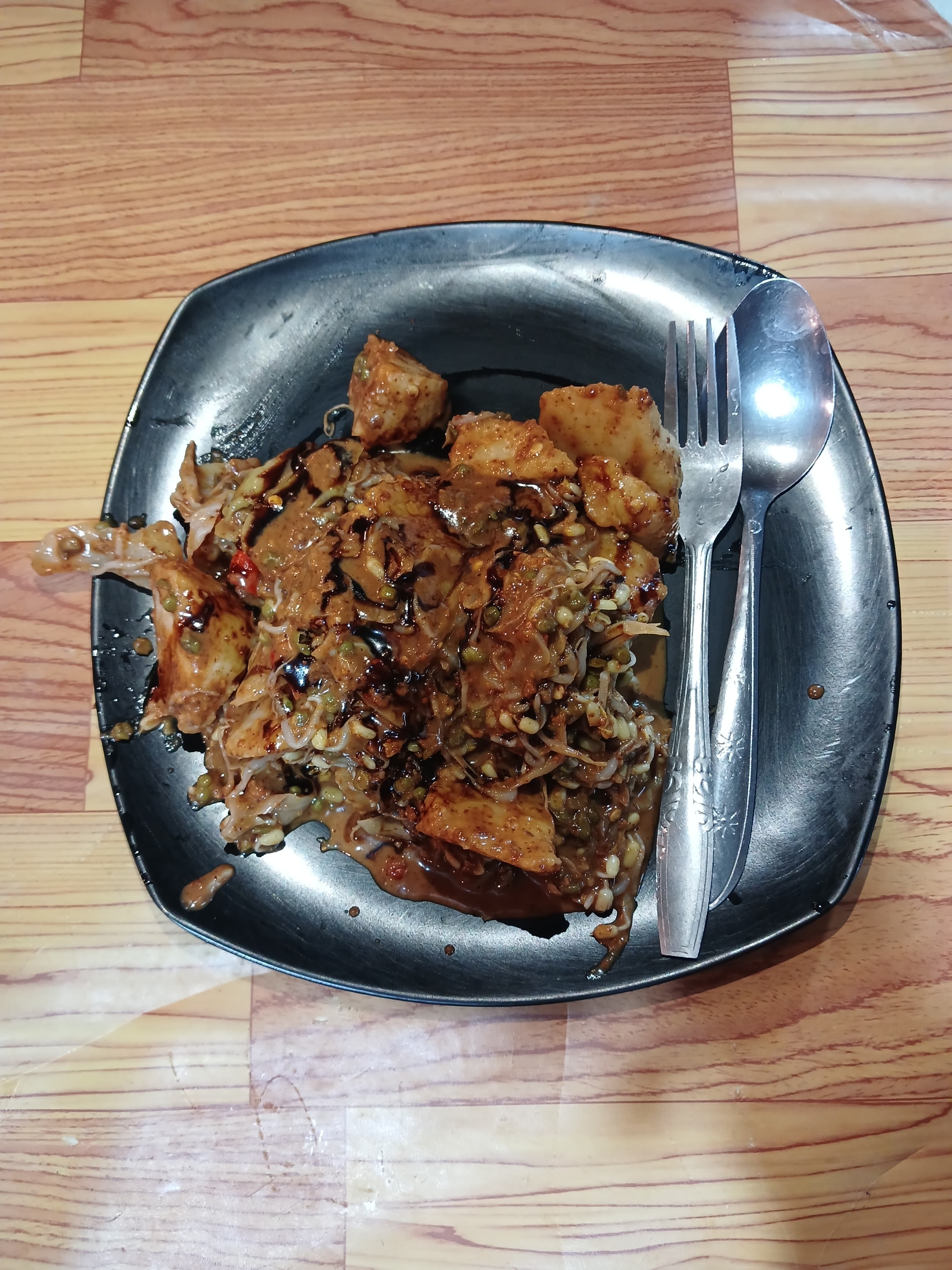
Tipat Cantok berupa ketupat dan tauge berbalut bumbu kacang gelap di atas piring hitamDetail Tipat Cantok dengan siraman bumbu kacang dan kecap manis
Main Dishes

Tipat Cantok

A Simple Dish of Rice Cake, Vegetables, and Bold Peanut Sauce

Tipat Cantok is a traditional Balinese dish known for its simplicity, yet with a distinctive flavor of its own. It consists of tipat (rice cake, also known as ketupat) combined with boiled vegetables such as water spinach, long beans, bean sprouts, and spinach, then topped with peanut sauce ground fresh to order. Together, these ingredients make for a fresh, savory, and filling dish suited to any time of day.

The name cantok comes from the process of grinding the seasoning smooth with a mortar and pestle before mixing it with the rice cake and vegetables. Unlike gado-gado or pecel from other regions, Tipat Cantok has a simpler seasoning profile with a distinctly Balinese touch. It has long been part of local cuisine, commonly eaten for breakfast or lunch.

In Desa Belok/Sidan and Desa Pelaga, Tipat Cantok is easy to find at traditional warungs. The cool mountain air makes it even more enjoyable, especially paired with a warm drink or a Balinese iced beverage. Beyond being filling, the use of fresh vegetables from local farms also makes Tipat Cantok a healthy, nutrient-rich choice.

For visitors to the Tukad Bangkung Bridge area, Tipat Cantok is well worth trying after taking in the surrounding scenery. Several eateries and warungs around Belok/Sidan and Pelaga still keep to traditional recipes, letting visitors enjoy an authentic Balinese meal while supporting local livelihoods.

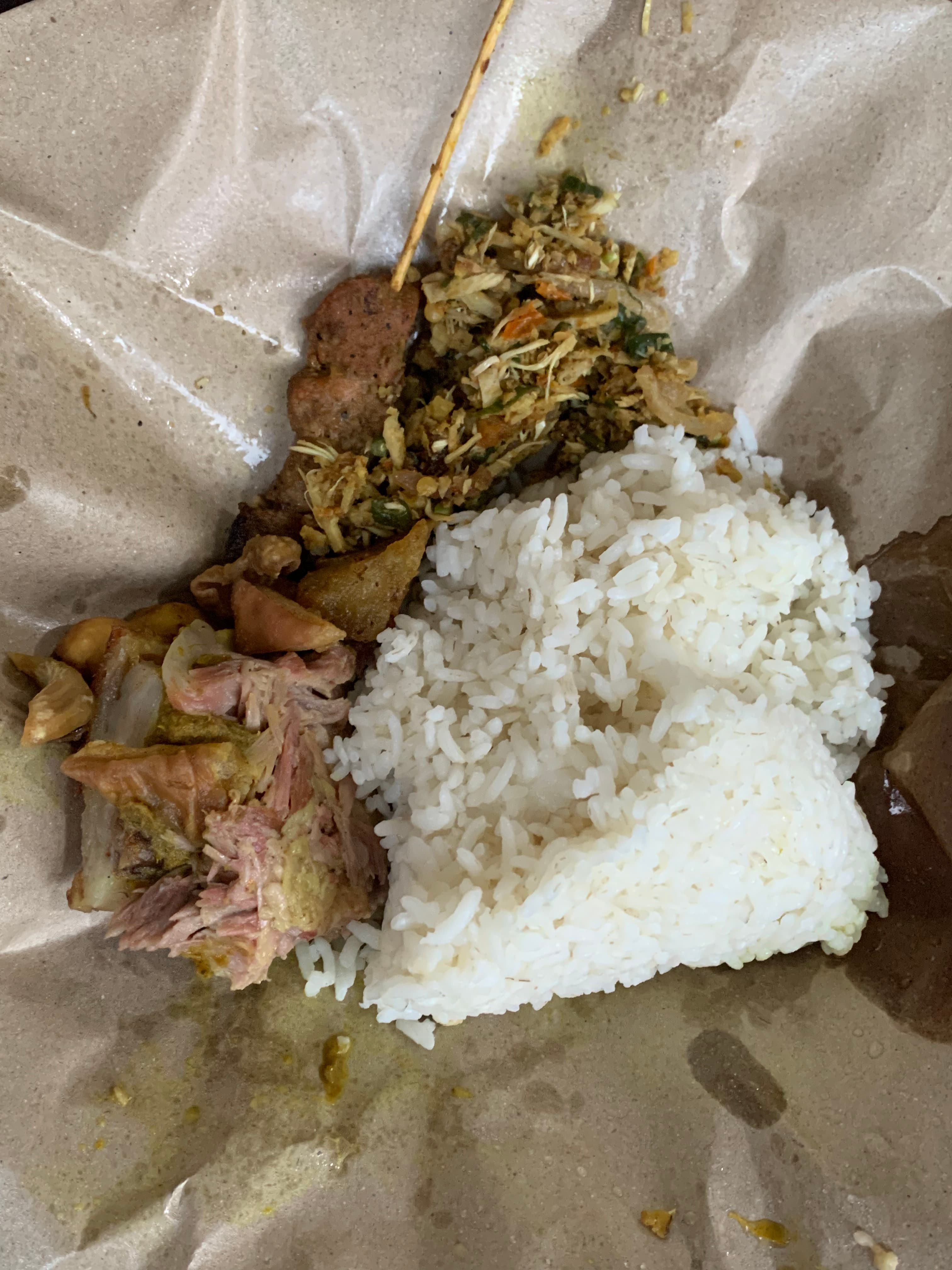
Seporsi Sam-Sam dengan sate daging babi bertusuk, lawar, dan nasi putih dalam bungkus kertas
Main Dishes

Sam-Sam

Balinese Pork, Rich with Spices from the Land

Sam-sam is a Balinese dish made with pork belly as its main ingredient. This cut combines meat and fat layers, giving the dish a tender texture and savory flavor. The pork is cooked in base genep seasoning until the spices are fully absorbed, then served with rice and other accompaniments.

In Balinese culinary tradition, pork dishes play an important role, especially at traditional ceremonies and family celebrations. Sam-sam is a favorite for its tender texture and distinctive spice aroma. It's often served alongside lawar, sambal matah, and a savory broth that rounds out the meal.

In Desa Belok/Sidan and Desa Pelaga, sam-sam can be found at several traditional warungs serving Balinese cuisine. The use of local spices and traditional cooking techniques keeps its flavor intact, making it a culinary draw for visitors to the highlands of Badung.

After taking in the views around Tukad Bangkung Bridge, visitors can enjoy a warm plate of sam-sam as part of the culinary side of their trip. Beyond its flavor, the dish is also an introduction to the richness of Balinese food culture.

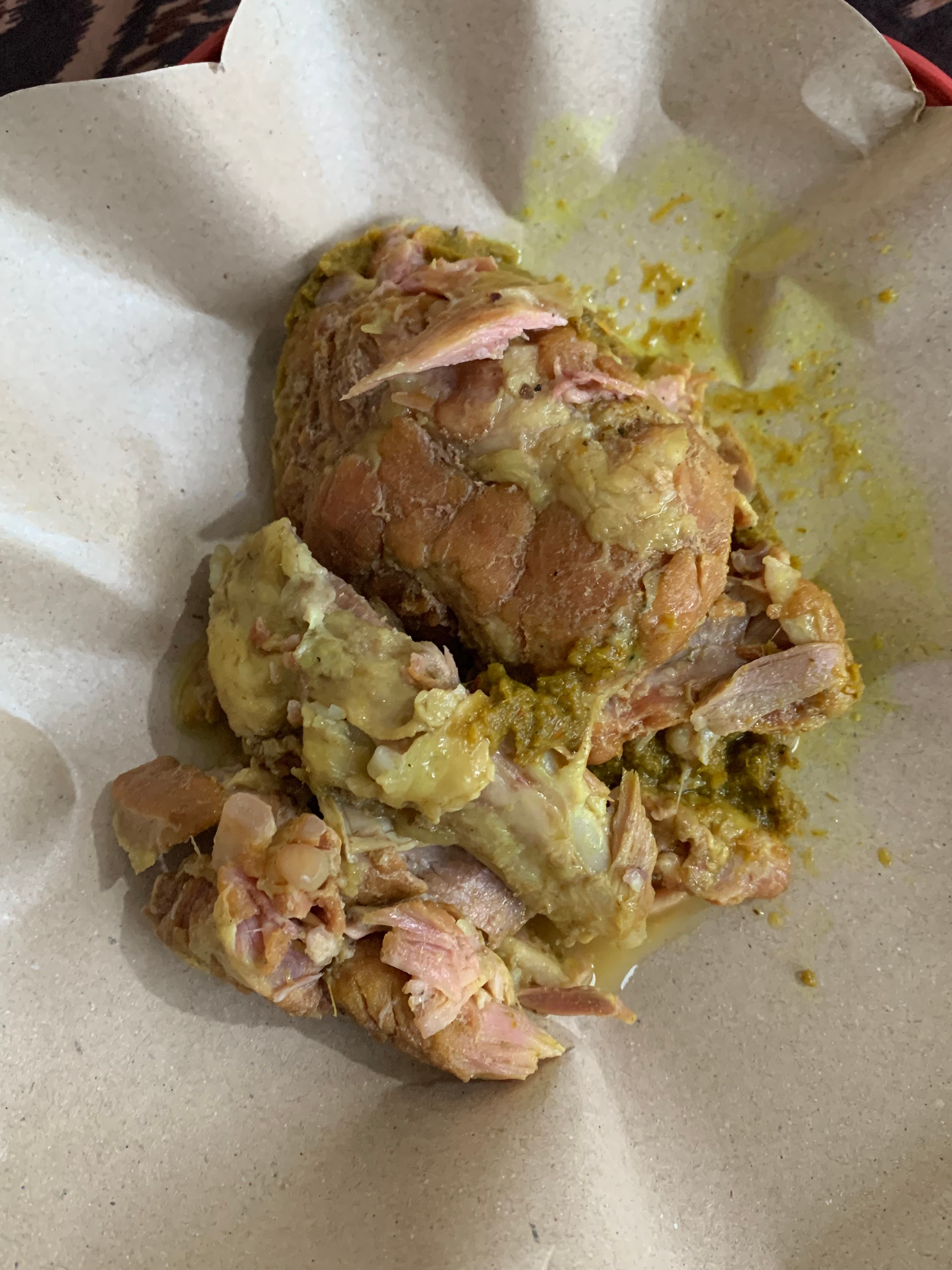
Potongan Be Genyol berbumbu kuning kehijauan yang empuk di atas kertas bungkus
Main Dishes

Be Genyol

A Traditional Dish with an Irresistibly Tender Bite

Be Genyol is a Balinese dish made with pork as its main ingredient. The name genyol refers to the soft, chewy texture the meat takes on after being cooked for a good while. It's simmered with an array of Balinese spices, producing a savory broth with a rich aroma.

This dish has long been known as a traditional Balinese food, usually served for breakfast or lunch. The slow cooking lets the spices fully soak into the meat, producing a rich, satisfying flavor. Be Genyol is typically enjoyed with steamed rice, sambal, and vegetables on the side.

In the Belok/Sidan and Pelaga area, Be Genyol is a popular choice for both locals and visitors wanting a taste of authentic Balinese cooking. Fresh ingredients from local farmers and breeders give it an authentic flavor while supporting the local food economy.

For visitors stopping by the Tukad Bangkung Bridge area, Be Genyol is a great way to experience traditional Balinese cuisine. Beyond its distinctive flavor, the dish reflects local wisdom in turning simple ingredients into food that's both delicious and culturally significant.

Traditional Snacks

Sweet Treats from the Morning Market

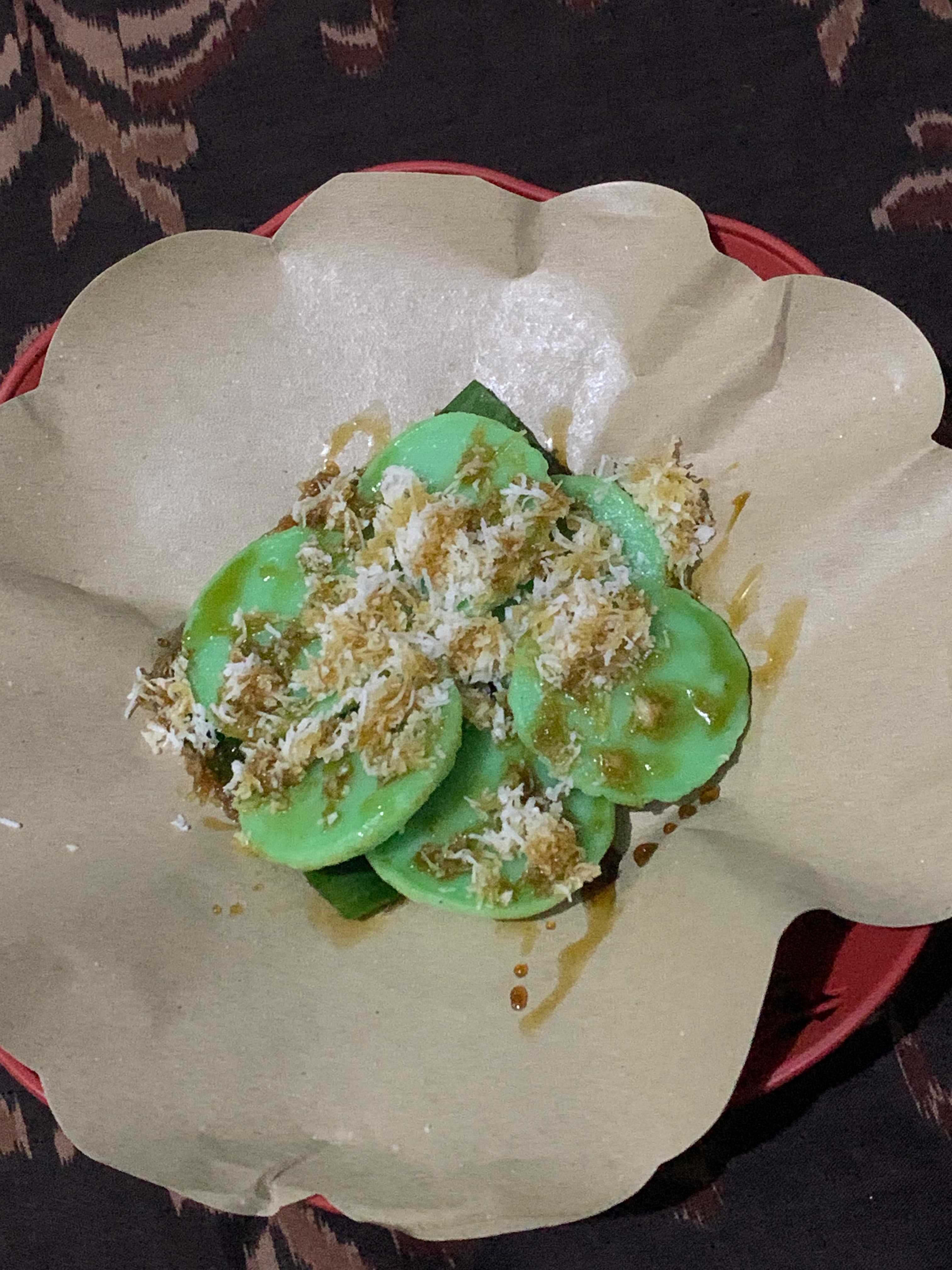
Kue Lak-Lak hijau berbentuk bundar dengan taburan kelapa parut dan siraman gula merah cair
Traditional Snacks

Lak-Lak

A Sweet, Comforting Traditional Balinese Treat

Lak-Lak is a traditional Balinese snack that's been around for a long time. It gets its sweet, savory flavor from a batter of rice flour combined with grated coconut and liquid palm sugar. It remains a favorite snack among Balinese people today and is commonly found at traditional markets and small warungs.

Lak-Lak is made from rice flour mixed with water and a pinch of salt. The batter is then cooked in small round clay molds until done. Some vendors also add suji or pandan leaf, giving it an appealing natural green color and a fragrant aroma.

Once cooked, Lak-Lak is topped with steamed grated coconut lightly salted for a savory edge, then finished with a drizzle of liquid palm sugar for its signature sweetness. The soft texture of Lak-Lak together with the coconut and palm sugar makes for a simple yet thoroughly satisfying flavor.

Beyond its flavor, Lak-Lak reflects Bali's traditional culinary heritage, still kept alive today. Its simple preparation and natural ingredients make it a culinary tradition worth preserving. It's also commonly paired with tea or coffee, whether at breakfast or as an afternoon snack.

For visitors to Bali, trying Lak-Lak is a culinary experience not to be missed. This traditional food offers more than a distinctive taste — it's an introduction to Balinese culture and tradition through a simple, meaningful dish.

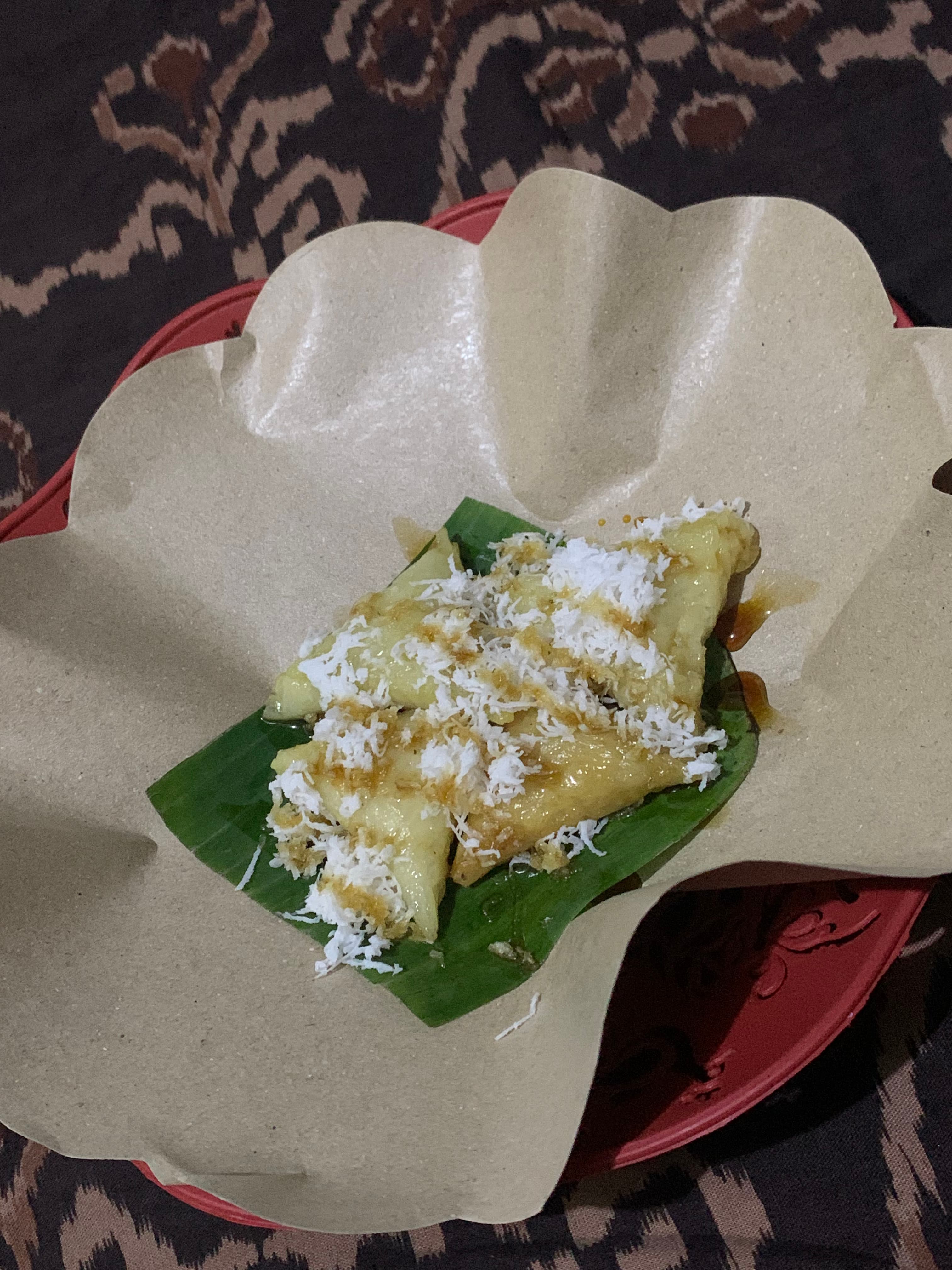
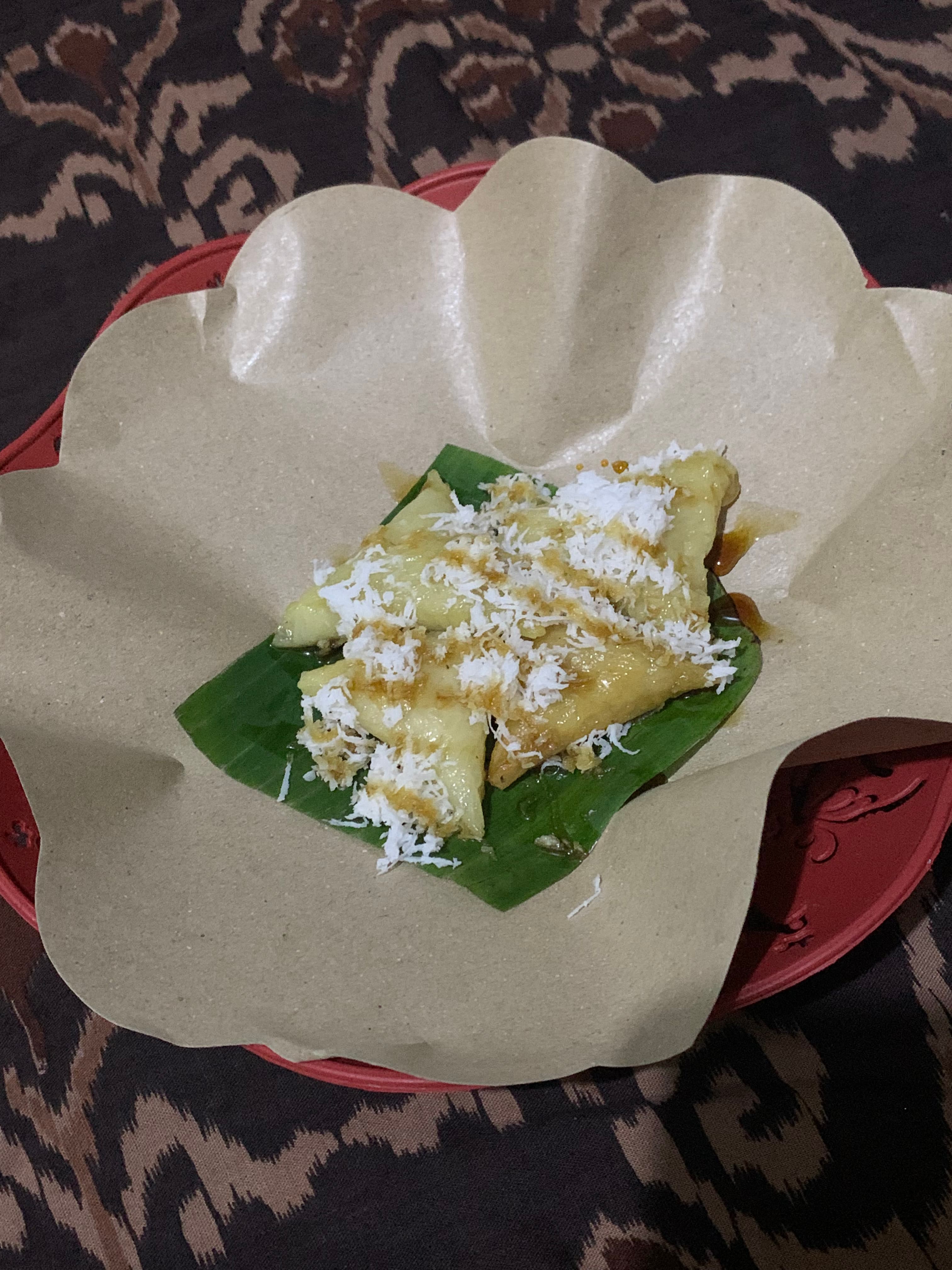
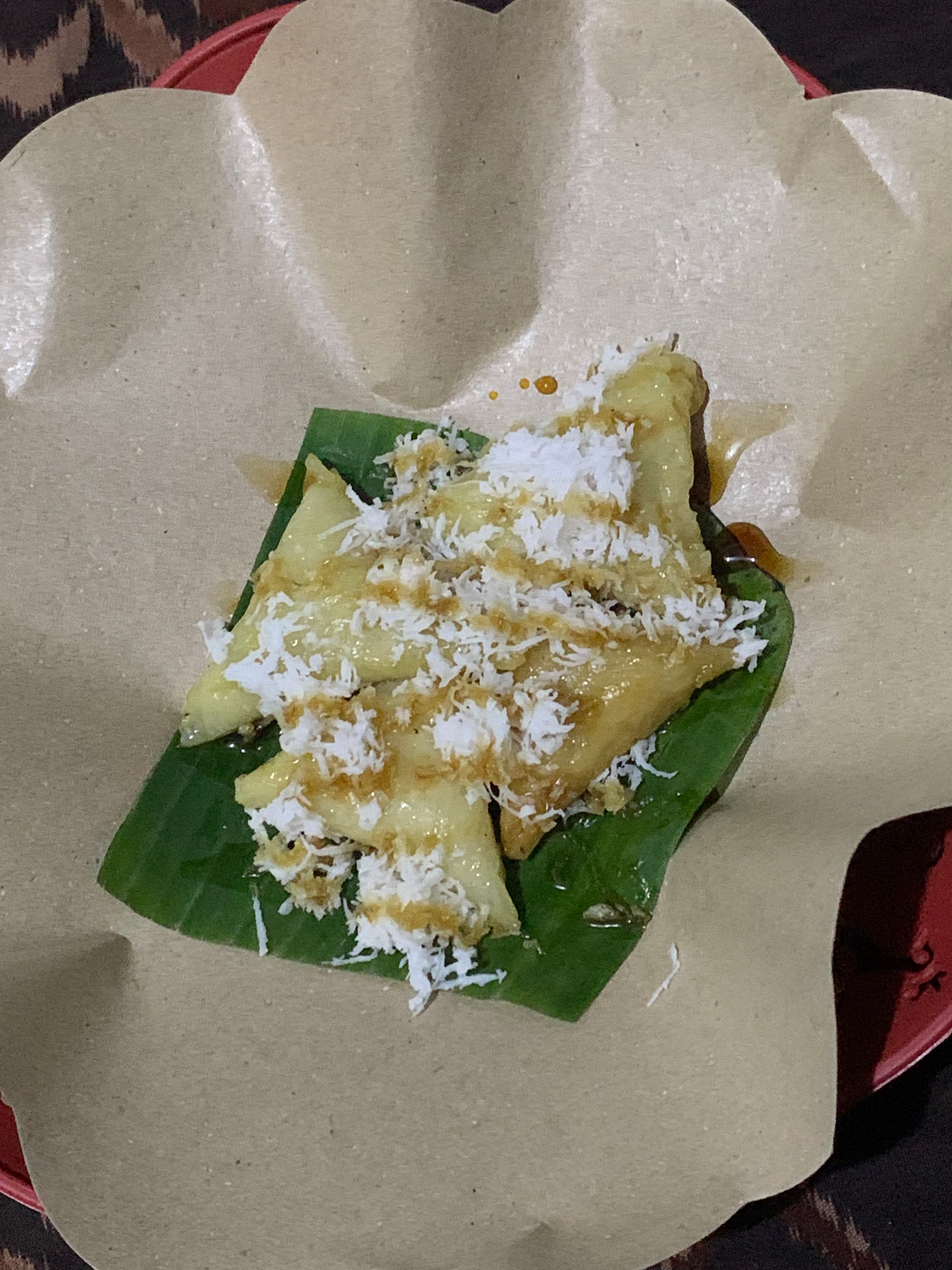
Kue Lukis berbentuk lipatan segitiga dengan taburan kelapa parut dan gula merah cair di atas daun pisangDetail kue Lukis dengan siraman gula aren yang mengilapKue Lukis di atas daun pisang dari jarak dekat, dengan taburan kelapa parut dan siraman gula merah yang merata
Traditional Snacks

Lukis

A Soft, Sweet Traditional Balinese Cake

Lukis is a traditional Balinese snack with a soft texture and sweet flavor. It's made from a batter of rice flour, coconut milk, and a pinch of salt, cooked through and then finished with grated coconut and a drizzle of liquid palm sugar. The savory notes of coconut milk paired with the sweetness of palm sugar make Lukis a snack enjoyed across generations.

Lukis has long been part of Balinese culinary tradition. It's commonly found at traditional markets and often served as an accompaniment at family gatherings and traditional ceremonies. Its preparation still follows a recipe passed down through generations, which is part of why its flavor remains authentic today.

In Desa Belok/Sidan and Desa Pelaga, Lukis can still be found at a few traditional warungs and morning market vendors. Made with fresh coconut milk and local palm sugar, it has a distinctive flavor, soft texture, and fragrant aroma. This simple treat is proof that traditional Balinese food can deliver real pleasure using ingredients readily found within the community.

For visitors to the Tukad Bangkung Bridge area, trying Lukis is a good way to get to know a traditional Balinese snack that's becoming harder to find in cities. Enjoying warm Lukis amid the cool mountain air of Belok/Pelaga makes for a simple but memorable culinary moment.

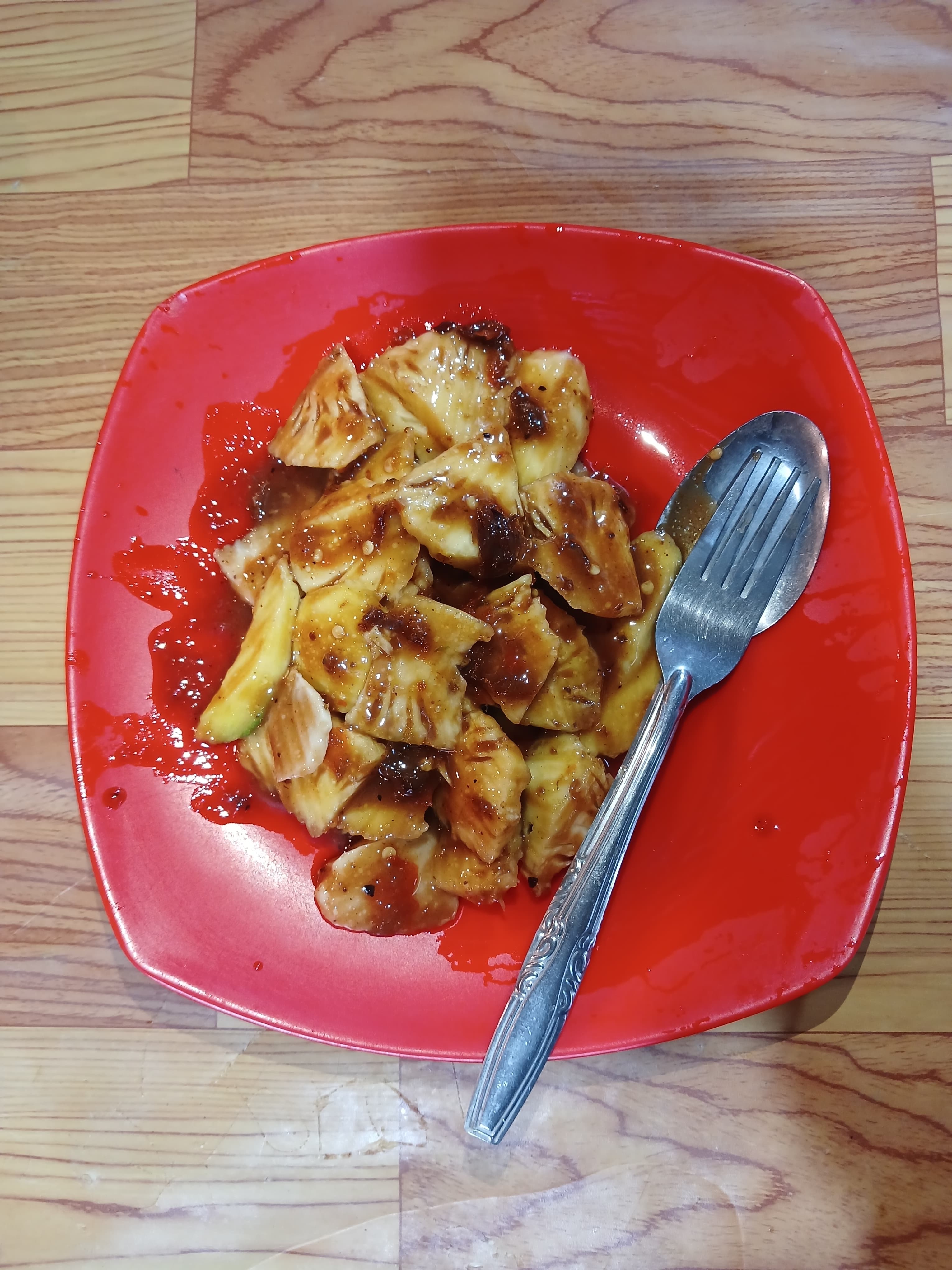
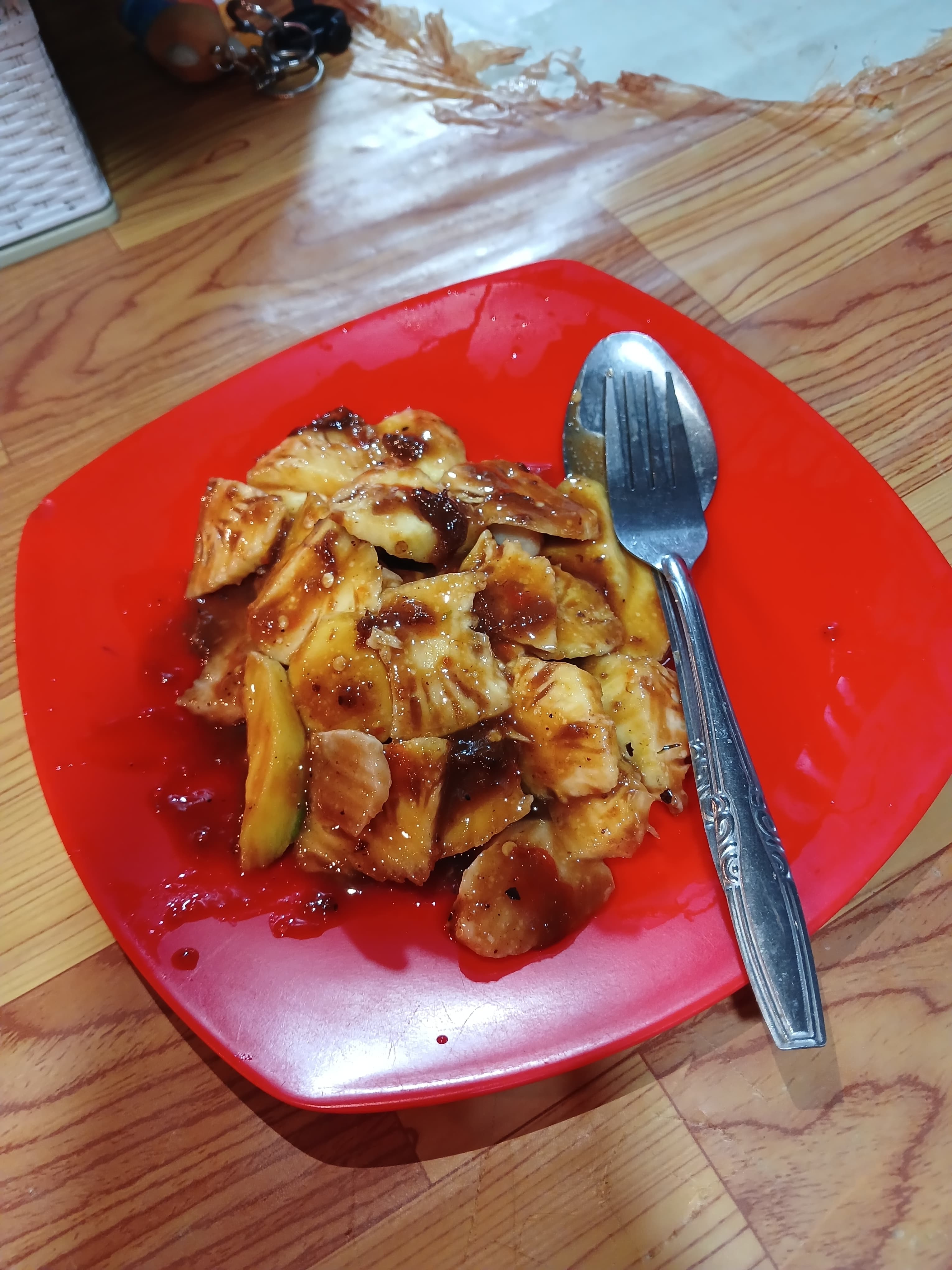
Rujak Gula Bali berupa potongan buah disiram bumbu gula aren, cabai, dan terasi di atas piring merahDetail potongan buah Rujak Gula Bali berbalut bumbu gula aren kental
Traditional Snacks

Rujak Gula Bali

Fresh Fruit Transformed by Palm Sugar, Chili, and Shrimp Paste

Rujak Gula Bali is a traditional dish of fresh fruit tossed in a dressing built around Balinese palm sugar. Unlike rujak found elsewhere, this dressing balances sweet, spicy, savory, and slightly sour notes. Young mango, kedondong (ambarella), jicama, pineapple, and guava are the fruits most commonly used.

Rujak has long been part of Balinese food culture as a refreshing snack, especially in the middle of the day. The local palm sugar gives it a distinctive aroma that sets it apart from rujak elsewhere. The fruit used is generally sourced from local farms, so it's always fresh and tied to the harvest season.

In Desa Belok/Sidan and Desa Pelaga, both known as highland farming areas, the ready supply of fresh fruit makes Rujak Gula Bali a well-loved treat. The combination of local fruit and traditional seasoning creates a distinctive flavor that reflects the natural bounty of the area.

After taking in the scenery around Tukad Bangkung Bridge, Rujak Gula Bali is the perfect refreshing snack. Several traditional warungs in the area still make it with a recipe handed down through generations, letting visitors enjoy an authentic taste of Bali.

Find the Warungs & Stalls on the Map

Most of these dishes are served at local warungs and eateries. Find them directly on the map of the Pelaga and Belok/Sidan area.